Sustainable Structure Products For A Much Better Future
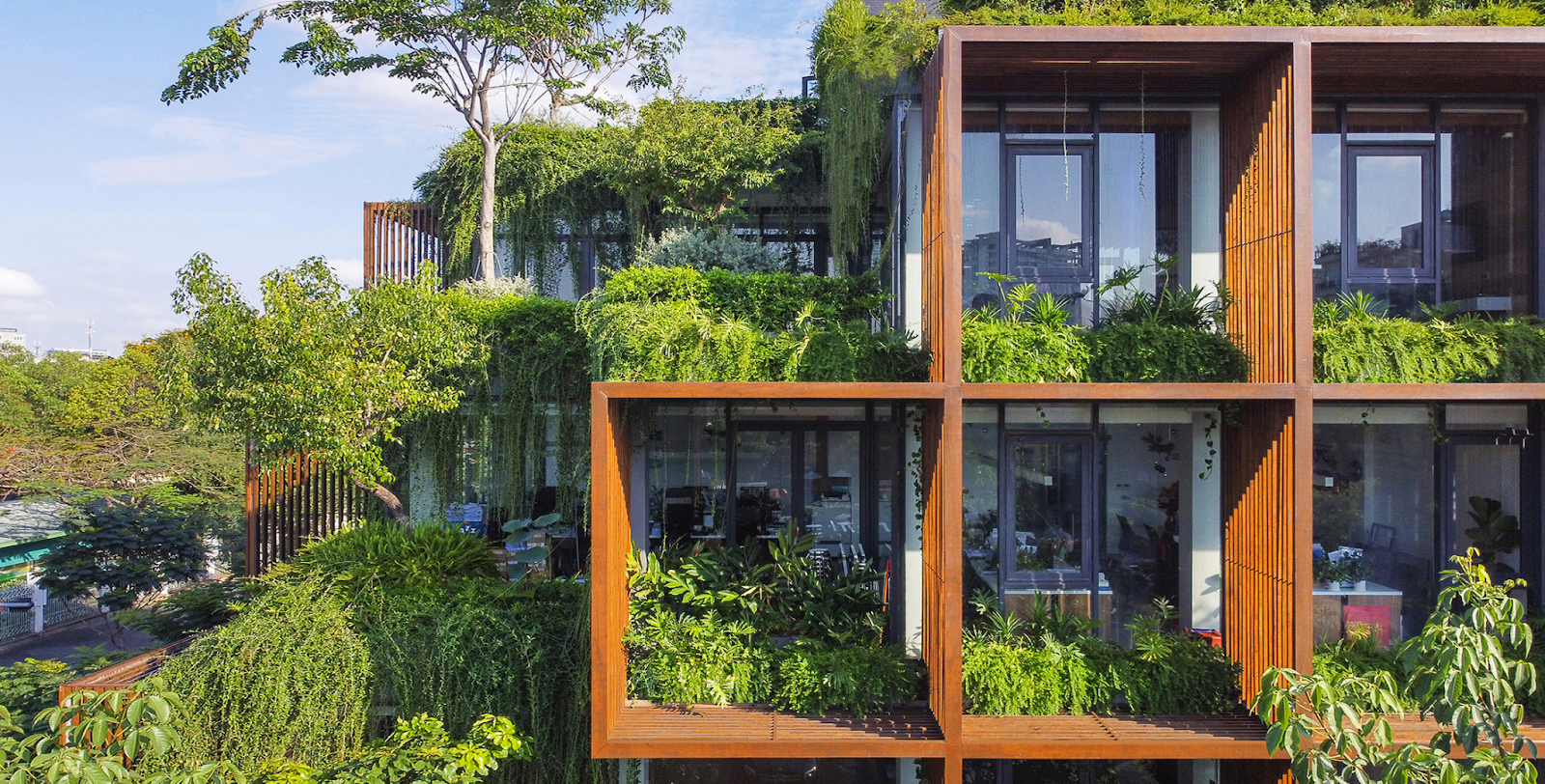
Environment-friendly Structures Increasing: Why Building Items Matter Climbing design aesthetic lined up with environmental awareness also includes in the charm of green building principle. Advancements in insulation innovations have actually also expanded usage in modern building. Products utilizing phase-change materials (PCMs) are confirming efficient for temperature guideline. The market is driven by boosting ecological recognition and sustainability targets embraced by governments worldwide, the need for materials that minimize the ecological influence of construction is expanding. Building codes and laws are also developing to prefer use eco-friendly materials, thus sustaining adoption. Increasingly, sustainability has actually come to be a primary consideration for house owners and developing designers. Check out how Faswall and other sustainable options can assist you to construct a better, much healthier, extra energy-efficient future. With results of environment modification coming to be increasingly obvious, the concentrate on energy performance and lasting building products has actually intensified in the structure and building and construction sector. Lasting structure products have gained popularity amongst contractors, specialists, and house owners that are looking to minimize waste, maintain natural resources, and create a far better future for generations to find. In addition, lasting materials like bamboo, hemp, and recycled material items help maintain natural communities by decreasing the need for virgin resources.
Why Seek Leed Certification?
Lasting materials are reinventing the building sector, giving both environmental and financial benefits. These green building products supply significant advantages in reducing environmental influence, saving power costs, and developing healthier structure settings. Incorporating renewable energy services such as photovoltaic panels into building jobs offers long-term sustainability. Photovoltaic panel reduce reliance on non-renewable power resources and can substantially reduce functional costs by offering on-site electricity. Including these systems into structure layout decreases power usage and adds to the project's general ecological influence. This article highlights the prospective ramifications adjustments to SFDR 2.0 can produce for asset Swimming Pools Construction supervisors and institutional financiers along with the growing function of top notch, independent data in navigating this regulative transition. Environment-friendly structures can assist preserve their natural habitat, which can advertise healthy and balanced behaviors such as workout, strolling, and other physical activities. Eco-friendly Structure Council (USGBC) launched LEED v5, the most up to date variation of its front runner LEED (Management in Power and Environmental Design) eco-friendly structure program. Growth energy is further enhanced by a huge pool of cost-effective production facilities and adaptable profession laws encouraging imports.Improved Passenger Health
Designed to hold up against severe weather and the influences of climate adjustment, these structures provide much better defense versus all-natural calamities, assisting to lower the vulnerability of areas to climate-related occasions. Federal government policies and growing consumer understanding regarding energy effective building are driving increased demand for green building products. Structures represent about 40% of the complete power usage along with carbon emissions. In order to minimize their environmental footprint, home builders are increasingly embracing green structure materials and modern technologies. Carbon-negative concrete is just one of one of the most promising advancements in eco-friendly building materials. Despite the clear advantages, obstacles such as high first prices, minimal accessibility, and resistance to transform have slowed the widespread adoption of eco-friendly materials. However, with continued technology in product production, monetary motivations from federal governments, and instructional initiatives within the industry, these barriers can be overcome. Plan assistance, in particular, plays a vital duty in driving adoption, as governments can help create structures that motivate sustainable building and construction techniques through aids, guidelines, and global collaboration.- Skylights and Sun Passage skylights supply ample all-natural light throughout the day, decreasing the reliance on artificial light.
- Brand-new building and construction counts greatly on natural resources, such as timber, rock, steel, and water, additional affecting the atmosphere.
- Architectural visualizations make it less complicated for developers to interact the eco-friendly features of a structure to the client and the general public.
- It is recognized internationally and can be sought by Australian projects going for worldwide acknowledgment.
What are the pros and cons of eco-friendly buildings?
Pro: Environment-friendly buildings use a lot more reliable and eco-friendly products for building and construction, such as straw, recycled metal, concrete, sheep''s wool, compressed planet blocks, lumber, and bamboo. 5 All of these are recyclable, multiple-use, and harmless. Disadvantage: Structure products that are efficient and sustainable can be much more pricey.